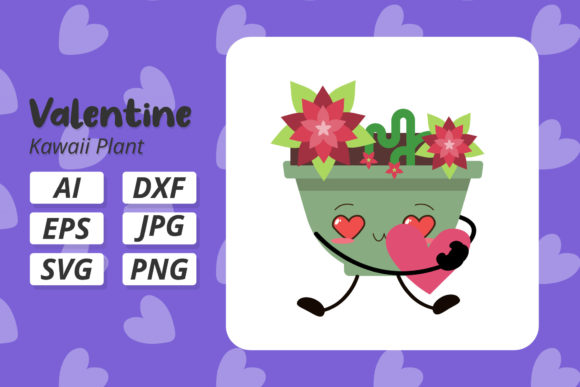
Valentine Kawaii Plant Vector Review for Real Embroidery Projects
Real-World Performance: From Concept to Stitched Product
- Tote Bag Design: The design looked great as a front-center applique. The stitch density was manageable, and the details held well without overcrowding. On light-colored fabric, it popped beautifully.
- Sweatshirt Embroidery: Slightly more tricky due to the fabric's stretch. I had to adjust the stabilizer type and hoop pressure carefully to prevent distortion. Still, the final result was adorable and added a nice texture to the garment.
- Baby Clothes: The gentle colors and non-threatening imagery made it perfect for onesies and bibs. Parents love subtle, sweet designs for their little ones, and this one checks all the boxes.
- Patch Application: When converted to an embroidered patch, the design retained its shape and detail. It worked well as a decorative accent on denim jackets and backpacks.
- Commercial Use: For small business owners and Etsy sellers, the Valentine Kawaii Plant Vector could easily be integrated into seasonal product lines. It has enough uniqueness to stand apart while remaining professional and brand-friendly.
One thing that stood out during testing is how adaptable the design is. Whether used for holiday gifts or boutique branding, it adds a layer of charm without compromising quality. But as with any digital embroidery file, some preparation is key to achieving the best results.
Design Notes for Practical Use
Before stitching, I recommend testing the design on scrap fabric. Especially if you're planning to use it on thin or stretchy materials, this step can save time and thread. I also checked the thread color contrast against several backgrounds and found that it works best on white, cream, or pastel fabrics. Darker bases would require either changing the thread palette or using a black background mockup to assess visibility.Reviewing the stitch density, I noticed that the fill areas are well-managed, avoiding unnecessary bulk. However, there are a few dense corners near the stem and leaves, so keep an eye on those if you're using delicate or lightweight fabrics. You may need to reduce stitch density slightly or switch to running stitches in those spots.
Confirming hoop size is important here. Since the original canvas is fairly large, you’ll likely need at least a 6x10 hoop unless you’re scaling down significantly. Always double-check the dimensions of your machine’s compatible hoops before starting.
Where to Use With Caution
- Small Hoop Sizes: Scaling the design too much could cause loss of detail, especially around the floral elements.
- Textured Fabrics: The fine lines and curves may get lost on rough or patterned surfaces.
- Thin or Stretchy Fabric: These materials can distort the design if not properly stabilized. Consider using cutaway or tear-away stabilizers to maintain shape.
- Dark Fabric Backgrounds: The default thread colors won’t show up well. You may need to re-color the design or choose a lighter base material.
- Curved Surfaces Like Caps: The design’s flat composition isn’t suited for curved embroidery unless adapted specifically for that purpose.
- Detailed Corners: Watch out for tight curves—they might need manual adjustment to avoid skipped stitches or puckering.
- Products That Need Frequent Washing: Dense areas may pucker or fade faster than expected. Choose high-quality threads and ensure proper backing stabilizer is used.
Impact on Visual Appeal and Branding
As an embroidery file, it contributes to the overall product value and handmade presentation. Customers will notice the attention to detail and appreciate the thoughtfulness behind the design. It also helps build brand consistency, especially if you're selling multiple themed items. The professionalism of the finished product reflects well on your work, whether it's a personal gift or a commercial listing.
Designer Tips for Getting the Most Out of This File
- Test on Scrap First: Especially if you're using it for a client or commercial order, always test the design on fabric similar to what you'll be using in production.
- Check Thread Color Contrast: Make sure the design is visible against your chosen fabric. If not, consider adjusting the thread palette before committing to a batch.
- Review Stitch Density: While the design is optimized, you may need to tweak settings for specific fabrics or machines.
- Confirm Hoop Size: Don’t assume your machine can handle the full size. Scale accordingly and verify fit.
- Inspect Small Details: The tiny flower accents and leaf outlines are charming, but they need careful inspection to ensure they stitch cleanly.
- Use Proper Stabilizer: Depending on the fabric, opt for tear-away, cutaway, or no-show stabilizer to preserve the integrity of the design.
- Check Licensing Before Selling: As a freebie from the Graphics category, confirm that the design allows for commercial use before listing it in your shop or applying it to merchandise.
Why This Design Works Well for Digital Sellers
For small shop owners, including this design in seasonal collections can boost buyer engagement and increase sales. It looks great on tea towels, pillow covers, and aprons—perfect for home goods and lifestyle products.
Final Thoughts: A Thoughtful Addition to Your Embroidery Kit
However, don’t overlook the importance of adapting it to your specific project. Every fabric behaves differently, and every machine has its quirks. Take the time to understand how the design interacts with your tools and materials. That’s the mark of a good designer—not just choosing the right design, but knowing how to make it work in real-world conditions.
If you're looking for a machine embroidery design that balances aesthetics with usability, the Valentine Kawaii Plant Vector deserves a spot in your collection. Just remember to stitch smartly, stabilize wisely, and test thoroughly. Happy designing!