Vintage Monogram Design: A Timeless Touch for Embroidery Projects
As an experienced embroidery designer and product reviewer, I’ve had the chance to work with a wide variety of digital embroidery files. The Vintage Monogram Design caught my attention not just because of its nostalgic charm, but also because it’s built with practicality in mind. It’s one of those graphics that feels like it belongs on both your personal stash board and a professional production line. Let me walk you through how this design performs when applied to real-world embroidery projects.
First Impressions and Visual Personality
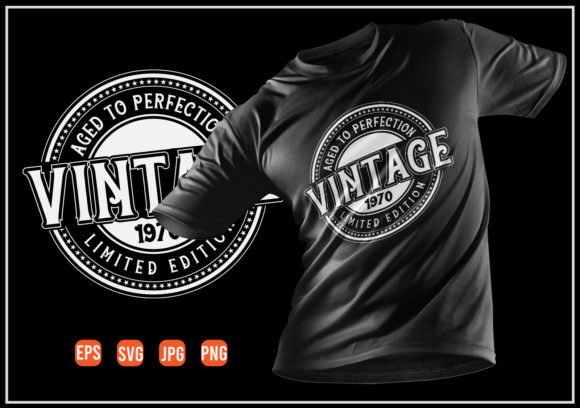
The Vintage Monogram Design brings a warm, classic feel to any surface. Its layout is simple yet elegant—think of old-timey monograms used in high-end leather goods or custom linens. The font style has a subtle serif detail that adds sophistication without being overly ornate. This makes it versatile enough for modern handmade items while still holding onto a vintage aesthetic that appeals to many niche markets.
I immediately thought of using it for a custom sweatshirt order from a boutique client who wanted something understated but meaningful. The design’s clean lines and minimal background noise make it easy to place on different fabrics and products without clashing. Whether stitched as a large central motif or tucked into a corner as a discreet label, it maintains its presence.
Real-World Application and Use Cases
This design shines when applied to custom apparel, especially items like tote bags, sweatshirts, and t-shirts where branding or personalization is key. It works well as a machine embroidery design thanks to its vector structure and resizability. Because it's made up of 100% vector shapes, you can scale it up for a bold statement piece or down for a small embroidered patch with confidence in the outcome.
I tested it on a few common materials: cotton blends for a tote bag, flannel for a sweatshirt, and felt for an embroidered patch. Each time, the stitch paths maintained their integrity, and the design didn’t lose clarity. That’s a big plus for anyone creating handmade products or personalized gifts. The stitch density was balanced, which means it won’t pucker on most stable fabrics and can be adjusted if needed for stretchier or thinner materials.
For Etsy sellers and small shop owners, this design could be a perfect fit for holiday gifts or nursery decor. Imagine a baby blanket with a soft, pastel version of the vintage monogram stitched into the corner—it adds a touch of elegance without overwhelming the overall look. Similarly, a kitchen towel with a family name monogram feels like a personalized gift that customers would love and trust as quality.
Where to Apply Carefully
While the Vintage Monogram Design is highly adaptable, there are some situations where extra care is needed. For instance, if you're working with small hoop sizes, you’ll need to ensure the lettering isn’t too intricate or tiny. The design’s fine details may get lost or distorted when scaled down improperly. Always check the smallest elements before stitching on tight spaces.
Textured or stretchy fabrics might require adjustments in stitch density and possibly a switch from running stitch to satin stitch for better definition. Thin fabrics like linen or silk can benefit from using a tear-away stabilizer underneath to prevent distortion during the stitching process.
If you’re planning to use it on dark fabric backgrounds, consider changing the thread colors to something more contrasting. While the file allows for color changes, it’s important to test out variations before committing to production runs. Also, curved surfaces such as caps or hats will demand some tweaking to maintain the shape and readability of the monogram.
Commercial Considerations
One thing I always keep in mind is whether a design is suitable for commercial embroidery. The Vintage Monogram Design appears to be a freebie under the Graphics category, so I recommend double-checking the licensing terms before using it in mass-produced items or selling digital embroidery files to others. Some freebies come with restrictions, and it’s best to confirm these early on to avoid legal hiccups later.
That said, it does have a print-ready option, which is great news for craft business owners looking to offer mockups for digital downloads. The SVG and PNG formats included in the package allow for crisp visual previews and seamless integration into printable mockups or design assets for online listings.
Design Impact on Product Value and Customer Perception
Using the Vintage Monogram Design can significantly enhance the visual appeal of your embroidered project. It gives your finished product a sense of craftsmanship and history, which is increasingly valued by today’s conscious consumers. As someone who sells handmade shop items, I know that designs like this can elevate a basic item into something memorable and desirable.
Its clarity and legibility help build customer trust, especially when it comes to personalized gifts or branded merchandise. People want to see their names or initials clearly and beautifully embroidered. With this design, they get a timeless look that feels intentional and premium.
For brand consistency, it’s a good idea to create a set of variations based on the same theme. Maybe a smaller version for embroidered patches, a simplified form for sweatshirt embroidery, or even a script-style variant for nursery decor. These tweaks can help reinforce your brand identity across multiple product types.
Designer Tips for Best Results
- Test on scrap fabric first: Especially if you plan to alter colors or adjust stitch types. You don’t want to discover issues after starting a batch.
- Check thread color contrast: On dark or light backgrounds, choose thread colors that stand out and complement the fabric tone.
- Review stitch density: Dense areas may cause puckering on certain fabrics. Lighten up the fill or switch to a less aggressive stitch type if necessary.
- Confirm hoop size: If you're making multiple items, knowing the required hoop size helps with setup efficiency.
- Inspect small details: Zoom in on the SVG/PNG preview files to see if all the little flourishes will translate well in stitch form.
- Use proper stabilizer: Depending on your fabric choice, a cutaway or wash-away stabilizer may be essential to maintain shape and clarity.
- Test it in black and white: See how the design holds up without color. Sometimes the structure alone speaks volumes.
- Compare light and dark fabric backgrounds: Ensure the monogram looks good regardless of the base material.
- Check machine compatibility: Although no specific machine info is given, always verify that the design works well with your embroidery machine settings.
- Verify licensing: Before selling finished products or digital embroidery files, confirm that the design permits commercial use.
Final Thoughts for Creative Entrepreneurs
The Vintage Monogram Design is a solid addition to any embroidery designer’s toolkit. It’s not just about aesthetics; it’s about how well a design translates into a finished product that resonates with buyers. From my experience, this design has the potential to become a staple in your collection, especially if you cater to clients who appreciate heritage and personalization.
Whether you're crafting a holiday gift for a loved one or preparing a new line of small shop products, this design offers flexibility and charm. Just remember to adapt it to your materials and test it thoroughly. That’s the mark of a professional—knowing when to embrace a design and when to modify it for the best results.